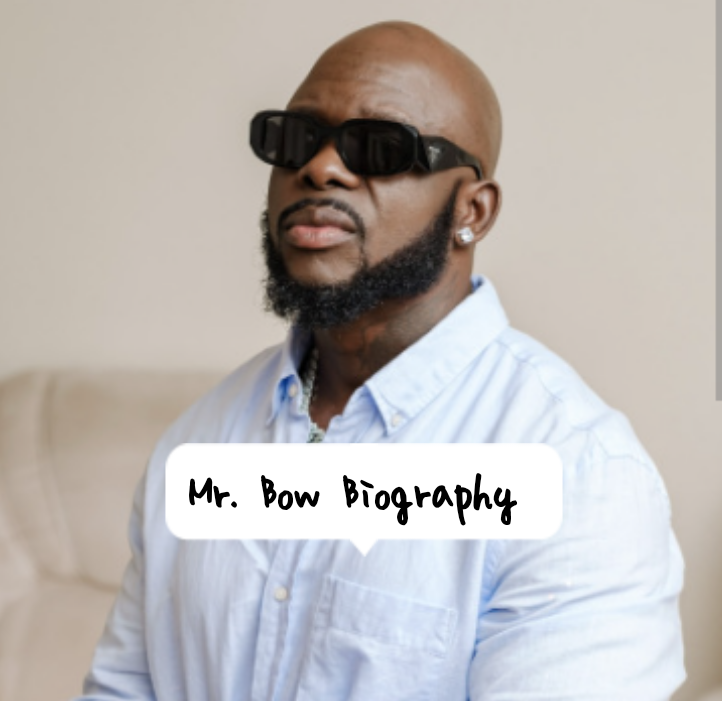
Mr. Bow Biography
Salvador Pedro Maiaze, better known by his stage name Mr. Bow, is a celebrated Mozambican singer, songwriter, producer, and entrepreneur whose innovative contributions to music have redefined traditional sounds for a new generation. Born in Manjacaze, Gaza Province, Mozambique, he holds Mozambican nationality and has risen to become one of the most influential figures in the country’s contemporary music landscape.
Mr. Bow Early Life
Salvador Pedro Maiaze was born on April 30, 1982, in the district of Manjacaze within Gaza Province, a region known for its rich cultural heritage and rural landscapes that shaped much of his early worldview. Growing up in a modest setting in Chongoene, he experienced the everyday realities of life in a peasant family amid the post-independence challenges facing many Mozambican communities. From a young age, music became a central passion for him, sparked by local contests held in nightclubs where he would perform covers of international artists such as R. Kelly, Backstreet Boys, Tyrese, and Joe. These early performances allowed him to hone his vocal abilities and stage presence while dreaming of a future in the arts. His childhood was marked by discipline and calm routines, even as he balanced aspirations with the practical demands of his surroundings. By his teenage years, he had already begun participating actively in music events, laying the groundwork for what would evolve into a professional career. The environment of Manjacaze, with its blend of traditional rhythms and community gatherings, instilled in him a deep appreciation for authentic Mozambican expressions that he would later incorporate into his work. Despite limited resources, his determination to pursue music never wavered, and these formative experiences in a humble rural context fueled his resilience and creativity throughout his life.
Mr. Bow Family Background
Mr. Bow comes from a close-knit peasant family that emphasized values of hard work and perseverance. His parents, Pedro Maiaze and Roda Langa, provided the foundational support for his ambitions, encouraging his musical interests even when practical concerns might have suggested otherwise. As the eldest among ten siblings, he carried a sense of responsibility that extended into adulthood, particularly evident in reflections on family challenges. By family decision, he spent significant portions of his early years under the care of his grandparents in a humble household, which offered stability and instilled a strong sense of discipline. This arrangement allowed him to focus on his dreams while navigating the economic constraints common to many families in Gaza Province at the time. The loss of his father in 2006 proved to be one of the most profound personal hardships, as limited financial means prevented access to adequate medical care, a moment that Mr. Bow has openly described as a driving force behind his later success and commitment to giving back. His family’s unwavering belief in his talent, combined with their own grounded perspectives, helped shape his character, blending humility with ambition. These roots in a supportive yet resource-scarce environment not only influenced his lyrical themes of struggle, hope, and resilience but also motivated him to create opportunities that extended beyond his personal achievements, such as supporting emerging artists through his ventures.
Mr. Bow Education
While formal academic education details remain tied closely to his self-driven path in music, Mr. Bow pursued practical learning opportunities that aligned with his artistic goals. In 2003, he enrolled in music classes at the House of Culture in Alto-Maé, Maputo, where he dedicated himself to mastering the piano and refining his compositional skills. This period marked a pivotal shift, as he transitioned from intuitive performance to structured training in voice capture, instrument arrangement, and even the production of advertising spots. Prior to this, his move to Xai-Xai in 1999 had been motivated by the dual purpose of work and study, allowing him to sustain himself while building toward a music career. By 2001, upon relocating to Maputo, he had already begun recording initial tracks, supplementing any formal instruction with hands-on experience in small studios he eventually helped create. His education was thus a blend of institutional training and real-world immersion, reflecting a pragmatic approach that prioritized skill development over traditional schooling. This foundation enabled him to experiment with various genres and eventually establish his own recording setup, demonstrating how targeted learning in the arts propelled his professional growth amid the evolving Mozambican music industry.
Mr. Bow Career
Mr. Bow’s career trajectory reflects a series of deliberate evolutions from underground beginnings to mainstream dominance. Initially drawn to hip-hop, he joined groups such as Strange Face and performed under the pseudonym MC Bow, adopting the name for its impactful resonance among rappers. His move to Xai-Xai and then Maputo in the early 2000s exposed him to broader influences, prompting a stylistic pivot in 2001 toward rhythm and blues and soul. That same year, he rebranded as Mr. Bow and started recording original material while funding his efforts through market sales of clothes and food products at spaces like the George Dimitrov market in Benfica. These entrepreneurial side activities not only sustained him financially but also built discipline, as he balanced long hours of vending with late-night studio sessions and radio production work. By 2007, collaboration with producers Oliver Styles and Ta Basilly at N’Estúdio further refined his sound, incorporating elements of Afro-beat and local traditions. His entry into full-time production allowed him to create advertising jingles and experiment with voice techniques, gradually establishing a reputation within Maputo’s creative circles. Throughout the 2010s and into the 2020s, he expanded into entrepreneurship by founding the Bawito Music label and the V&Pro Mozambique advertising agency, which have supported a roster of talents including his collaborator and partner Liloca as well as artists like Mabermuda. This multifaceted career underscores his role not merely as a performer but as a builder of infrastructure for Mozambican music, ensuring sustainability in an industry often challenged by resource limitations.
Mr. Bow Rise to Fame
The breakthrough that propelled Mr. Bow to national and international recognition came in 2008 with the release of his debut solo album, which introduced a fresh voice amid the country’s vibrant yet competitive music scene. Although early tracks leaned toward rhythm and blues, it was a single sung in Xichangana, the Bantu language of southern Mozambique, that captured widespread attention and signaled a turning point. This song, with its metaphorical message of persistence and eventual triumph, resonated deeply with audiences facing everyday hurdles, leading to radio airplay and public acclaim that transformed his profile from local hopeful to emerging star. Advised by collaborators to lean into his native tongue and traditional marrabenta rhythms, he innovated by fusing them with South African influences such as kwaito and house, creating what he termed marrabenta vhuto or later jango music, a genre blending Afro-beat, R&B, zouk, and marrabenta into an airy, effervescent style. Subsequent releases built on this momentum, with each project amplifying his visibility through chart-topping singles and live performances at major events. By the early 2010s, consistent wins in prestigious competitions solidified his status, while strategic use of social media and music videos helped him connect directly with fans across borders. International tours and collaborations with artists from South Africa and beyond expanded his reach, culminating in recognitions that positioned him as a cultural ambassador for Mozambique. His rise exemplifies how authentic storytelling, linguistic pride, and genre innovation can elevate an artist from humble market stalls to global stages, inspiring a wave of younger musicians to embrace similar fusions.
Mr. Bow Notable Works
Mr. Bow has produced a substantial body of work that spans multiple albums and standout singles, each contributing to the modernization of Mozambican music while preserving cultural essence. His debut album Meu Sonho, released in 2008, marked the official launch of his solo career and featured tracks that mixed rhythm and blues with emerging local flavors, including the breakthrough hit Tchova Xita Duma, which encouraged listeners to persevere toward their goals through vivid metaphors drawn from daily life. This project, though initially rooted in his earlier styles, showcased his potential and paved the way for greater experimentation. Following it came Kota de Família around 2010, an album that revolutionized marrabenta by infusing it with contemporary energy and earning him the affectionate nickname Kota, or family dad, among fans. One of its highlights, Nitati Dlaya, addressed profound emotional themes and secured awards in categories for popular and light music at national contests, highlighting his ability to connect on personal and collective levels. In 2012, Sinal de Vitória built further success with songs like Laurinda and the title track, blending romantic narratives with uplifting messages that dominated dance floors and radio playlists. The 2013 release O Melhor de Mim continued this trajectory, introducing anthems such as Male Ya Matchangana and Bawito that became party staples, celebrating identity and aspiration in Xichangana while appealing to diverse audiences. Later works expanded his discography: The King of Mozambique in 2016 delivered chart-toppers including Vida Boa and My Number One, solidifying his reign in the genre. Mr. Romantic from 2017 delved deeper into love ballads and zouk-infused grooves, broadening his appeal. Story of My Life, issued in 2020, offered an autobiographical reflection across eighteen tracks with national and international features, capturing his journey from rural roots to stardom and earning praise for its introspective depth. Most recently, Strong Shangane in 2025 has introduced fresh singles like Male Ya Paper, maintaining his innovative edge with high-energy productions and collaborations. Throughout these projects, recurring themes of love, resilience, faith, and social issues appear in songs such as Nitafa Nawena, Hiwena, Tsovani Minengue, and Xikwembu Rhivalela, many of which have amassed millions of views on platforms like YouTube. His singles often incorporate collaborations, such as with Liloca on romantic duets or with South African acts like Makhadzi on cross-border hits, demonstrating versatility. These works have not only topped domestic charts but also contributed to his ranking among Africa’s notable musicians, with music videos and live renditions amplifying their cultural impact. By singing predominantly in Changana while occasionally using Portuguese, Mr. Bow has made traditional sounds accessible globally, fostering pride in Mozambican heritage and influencing the evolution of Lusophone African music.
Mr. Bow Personal Life
Beyond the spotlight, Mr. Bow maintains a balanced personal life centered on family and community involvement. His first marriage in 2012 was to businesswoman Maria de Lurdes, whom he met via social networks, though the union faced public scrutiny due to age differences and perceptions of ambition. The relationship produced children and lasted until around 2016, after which he entered a new chapter. That year, he began a public relationship with fellow R&B singer Luísa Madade, known as Liloca, which evolved into marriage and brought added harmony to his creative world, as the couple has collaborated on numerous tracks. Together they share a daughter named Princess Dior, while Mr. Bow is also father to four other daughters from prior relationships, emphasizing his role as a dedicated family man amid touring and production demands. The couple has navigated media attention with grace, at times addressing privacy on social platforms while celebrating milestones like joint performances and events that occasionally reference renewed commitments in later years. Philanthropy forms another key aspect of his life, with active participation in HIV/AIDS awareness campaigns, visits to orphanages, and support for cultural initiatives that echo his own early struggles. Entrepreneurship complements his family focus, as running Bawito Music and V&Pro allows him to mentor talents and create stable opportunities in Mozambique’s creative sector. Despite fame, he remains grounded in his Gaza Province origins, often drawing lyrical inspiration from personal experiences such as financial hardships and family losses. This integration of private values with public persona has endeared him to fans, portraying him as both an icon and a relatable figure committed to uplifting his community.
Mr. Bow continues to evolve as an artist and individual, with ongoing projects that promise further growth in the years ahead. His story stands as a testament to the power of cultural innovation rooted in authenticity.
FAQs
What is the real name of Mr. Bow?
Salvador Pedro Maiaze is the real name of the artist known professionally as Mr. Bow.
Where and when was Mr. Bow born?
Mr. Bow was born on April 30, 1982, in Manjacaze, Gaza Province, Mozambique.
What genres of music does Mr. Bow perform?
Mr. Bow is renowned for jango music, a fusion that incorporates marrabenta, Afro-beat, R&B, zouk, and elements of South African rhythms, often performed in the Xichangana language.
Who are Mr. Bow’s parents?
His parents are Pedro Maiaze and Roda Langa.
Has Mr. Bow won any major awards?
Yes, Mr. Bow has secured multiple victories in the Ngoma Moçambique contest for most popular song, awards at the Mozambique Music Awards, and three titles as Best Lusophone Artist at the AFRIMMA Awards in 2020, 2022, and 2023, among other honors.
Who is Mr. Bow married to?
Mr. Bow is married to the singer Liloca, also known as Luísa Madade, with whom he shares a daughter.
What is Mr. Bow’s most famous song?
Among his most acclaimed tracks are Tchova Xita Duma, Nitafa Nawena, and My Number One, each achieving widespread popularity and chart success.
Does Mr. Bow have children?
Mr. Bow is the father of several daughters, including Princess Dior with Liloca and four others from previous relationships.
What businesses does Mr. Bow own?
He founded and operates the Bawito Music record label and the V&Pro Mozambique advertising agency.
How did Mr. Bow start his music career?
He began by performing in local contests as a teenager, transitioned through hip-hop groups under the name MC Bow, and shifted to solo R&B and marrabenta fusion after moving to Maputo and establishing a small studio.