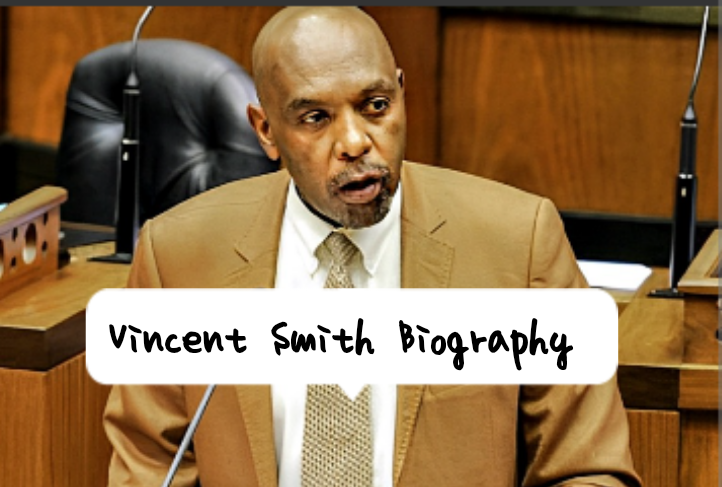
Vincent Smith Biography
Vincent Smith is a South African politician who served as a member of the African National Congress, or ANC. He held a seat in the National Assembly from 1999 to 2019. Smith became known for his work in parliament, but his career ended in controversy due to corruption charges. On March 5, 2026, the Johannesburg High Court sentenced him to an effective seven years in prison after he pleaded guilty to crimes linked to the Bosasa company. This case highlights issues of graft in South African government.
Smith’s story starts with his entry into politics after the end of apartheid in 1994. He rose through the ANC ranks and took on key roles in oversight committees. However, allegations of taking bribes from Bosasa, a firm that provided services to prisons, led to his downfall. Bosasa, now called African Global Operations, faced claims of paying officials to win contracts. Smith’s case is part of a larger probe into state capture, where private interests influenced public decisions.
This article explores who Vincent Smith is, from his background to his political path and recent legal troubles. It aims to inform readers about his life and the lessons from his experiences. By understanding such cases, people can see the importance of honest leadership in building a fair society. Smith’s journey shows how power can lead to both achievements and pitfalls in politics.
Many ask, “What did Vincent Smith do?” He chaired committees that watched over government spending and prisons. But he accepted money and benefits from Bosasa without reporting them. This broke laws on corruption and taxes. His plea deal in 2026 marked a win for anti-corruption efforts in South Africa.
The Bosasa scandal involved payments to officials for favors. Smith received security upgrades to his home and cash through his company, Euroblitz 48. Angelo Agrizzi, a former Bosasa executive, testified about these deals during the Zondo Commission in 2019. The commission looked into state capture under former President Jacob Zuma.
Smith’s sentencing includes 12 years for each charge, with five years suspended if he avoids similar crimes. He must also pay fines and face asset losses. This outcome stresses the need for accountability in public office. As South Africa fights corruption, cases like Smith’s help strengthen trust in government.
In summary, Vincent Smith went from a respected lawmaker to a convicted felon. His story teaches about the risks of mixing personal gain with public duty. Readers can learn how such events affect politics and society.
Vincent Smith Early Life and Education
Vincent George Smith was born on July 18, 1960, in South Africa. He grew up during the apartheid era, a time of racial separation and struggle for freedom. This period shaped many young people, including Smith, who later joined the fight for equality.
Details about his childhood home and family are not widely shared in public records. Smith kept much of his personal background private. However, his early years likely included exposure to the challenges faced by black South Africans under apartheid rules. Many in his generation got involved in student movements or community groups pushing for change.
For education, Smith attended Rand Afrikaans University, now known as the University of Johannesburg. He earned a Bachelor of Computing degree there. This field involves learning about computers, programming, and data systems. Such studies could have helped him understand technology in government work later on.
During his university time, Smith became active in student politics. This involvement sparked his interest in broader political issues. Student groups often discussed ways to end apartheid and build a new South Africa. These experiences built his skills in leadership and organizing.
After completing his degree, Smith moved into roles that prepared him for a political career. His education gave him tools to analyze problems and find solutions, useful in parliament. Computing knowledge might have aided in handling data on budgets or services.
Smith’s early life shows how personal experiences can lead to public service. Growing up in tough times motivated him to seek change through politics. His university days provided both knowledge and networks in the ANC movement.
Education played a key role in his path. A degree in computing set him apart in a time when technology was growing in importance. It also showed his commitment to learning, a trait needed in leadership.
In South Africa, many leaders from the anti-apartheid struggle had varied educations. Smith’s focus on computing was modern for the era. It helped him contribute to reforms after 1994.
Overall, Smith’s early life and education laid the foundation for his rise in the ANC. They equipped him with skills to serve in government, though later events overshadowed these beginnings.
Vincent Smith Career
Vincent Smith’s political career began after South Africa’s first democratic elections in 1994. He joined the African National Congress, the party that led the fight against apartheid. In 1995, he became deputy chairperson of the ANC’s Johannesburg region. He held this post until 2004. This role helped him build influence in the party.
In 1999, Smith entered the National Assembly as a member of parliament for the ANC. He served until 2019. During this time, he took on important committee positions. These included chairperson of the Portfolio Committee on Correctional Services. This group oversaw prisons and related services.
Smith also chaired the Standing Committee on Public Accounts, or SCOPA. This body checks government spending to ensure funds are used properly. He led the Standing Committee on the Auditor-General too. These roles gave him power to question officials and promote transparency.
As an MP, Smith’s job involved linking people to government services. He helped constituents access help from local, provincial, or national levels. He also worked on laws to improve lives in South Africa. His focus included better prisons and fair use of public money.
Smith contributed to post-apartheid changes. He supported policies for equality and development. His work in committees aimed to fix issues from the past.
However, his career faced challenges. In 2019, he resigned from the ANC amid corruption probes. This came after testimonies at the Zondo Commission linked him to Bosasa.
Before parliament, Smith’s regional ANC role built his reputation. He organized party activities in Johannesburg, a key area.
His career timeline includes:
- 1995 to 2004: Deputy chairperson, ANC Johannesburg region
- 1999 to 2019: Member of National Assembly
- Chairperson: Portfolio Committee on Correctional Services
- Chairperson: Standing Committee on Public Accounts
- Chairperson: Standing Committee on the Auditor-General
These positions showed his rise in politics. Smith started in student activism and grew to national level.
In his roles, he dealt with issues like prison management. Bosasa held contracts for prison services, which later tied to his case.
Smith’s career highlights the demands of public office. He worked on oversight, but irony struck when he faced oversight himself.
His time in parliament covered eras under presidents Thabo Mbeki, Jacob Zuma, and Cyril Ramaphosa. He saw major shifts in South African politics.
Smith’s story educates on how leaders must stay ethical. His achievements in committees helped shape better governance, yet his fall warns against graft.
Vincent Smith Personal Life and Family
Information on Vincent Smith’s personal life remains limited in public sources. He has kept details about his family private throughout his career. This approach is common among politicians who separate work from home life.
Smith was born in 1960, but records do not often mention his parents or siblings. His focus stayed on political duties rather than sharing family stories.
Questions like “Is Vincent Smith married?” find no clear answers in available data. No reports confirm a spouse or children. This lack of info suggests he values privacy.
After leaving politics in 2019, Smith ran a company called Euroblitz 48. This business became part of his legal case, as it received funds from Bosasa.
The scandals likely affected his personal world. Public scrutiny can strain relationships and daily life. However, without specific details, we avoid guesses.
Smith’s choice to keep family out of the spotlight protects them from media attention. In South Africa, many public figures do the same to shield loved ones.
His personal interests or hobbies are not well documented. Records show his dedication to politics from a young age.
In court, his personal capacity was noted in charges. This means some actions involved his individual life, not just his role as MP.
Overall, Smith’s personal life adds a human side to his story. Though details are scarce, it reminds us that politicians have private worlds too.
Conclusion
Vincent Smith’s life tells a tale of ambition, service, and caution. Born in 1960, he pursued education in computing and entered politics to help build a new South Africa. His career in the ANC and parliament showed promise, with key roles in oversight.
Yet, the Bosasa scandal changed everything. On March 5, 2026, his seven-year sentence marked the end of a chapter. This event underscores the fight against corruption in the nation.
Smith’s story offers lessons for future leaders. It shows the value of integrity in public roles. South Africa continues to strengthen laws and probes to prevent such cases.
Readers can follow ongoing anti-corruption work. Groups like the National Prosecuting Authority lead these efforts. Smith’s case is a step toward better governance.
In the end, his legacy mixes contributions with warnings. It encourages all to support honest politics for a stronger democracy.
FAQs
Who is Vincent Smith?
Vincent Smith is a former South African politician who served in the ANC and National Assembly from 1999 to 2019. He faced corruption charges related to Bosasa and was sentenced on March 5, 2026.
What did Vincent Smith do?
Smith chaired parliamentary committees on prisons and public accounts. He accepted unreported benefits from Bosasa, leading to his conviction for fraud and corruption.
Why was Vincent Smith sentenced?
He pleaded guilty to corruption, fraud, money laundering, and tax crimes linked to Bosasa payments. The court gave him an effective seven-year term on March 5, 2026.
What is the Bosasa scandal?
Bosasa, a company with government contracts, paid bribes to officials for favors. It involved security upgrades and cash to people like Smith.
Who is Angelo Agrizzi?
Agrizzi was a Bosasa executive who testified about bribes at the Zondo Commission. His statements helped in Smith’s case.
What is the Zondo Commission?
It was an inquiry into state capture in South Africa, starting in 2018. It uncovered corruption involving companies like Bosasa.
What is Vincent Smith’s background?
Born in 1960, he studied computing at university and entered politics through student activism and ANC roles.
How did Vincent Smith rise in the ANC?
He started as deputy chairperson in Johannesburg in 1995 and became an MP in 1999.
What happened to Vincent Smith in court?
He reached a plea deal, got convicted, and received a suspended sentence leading to seven years in prison.
How has the Bosasa scandal affected the ANC?
It damaged trust in the party and led to calls for reforms against corruption.